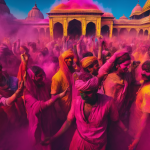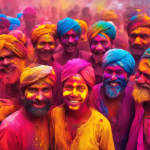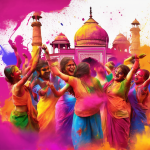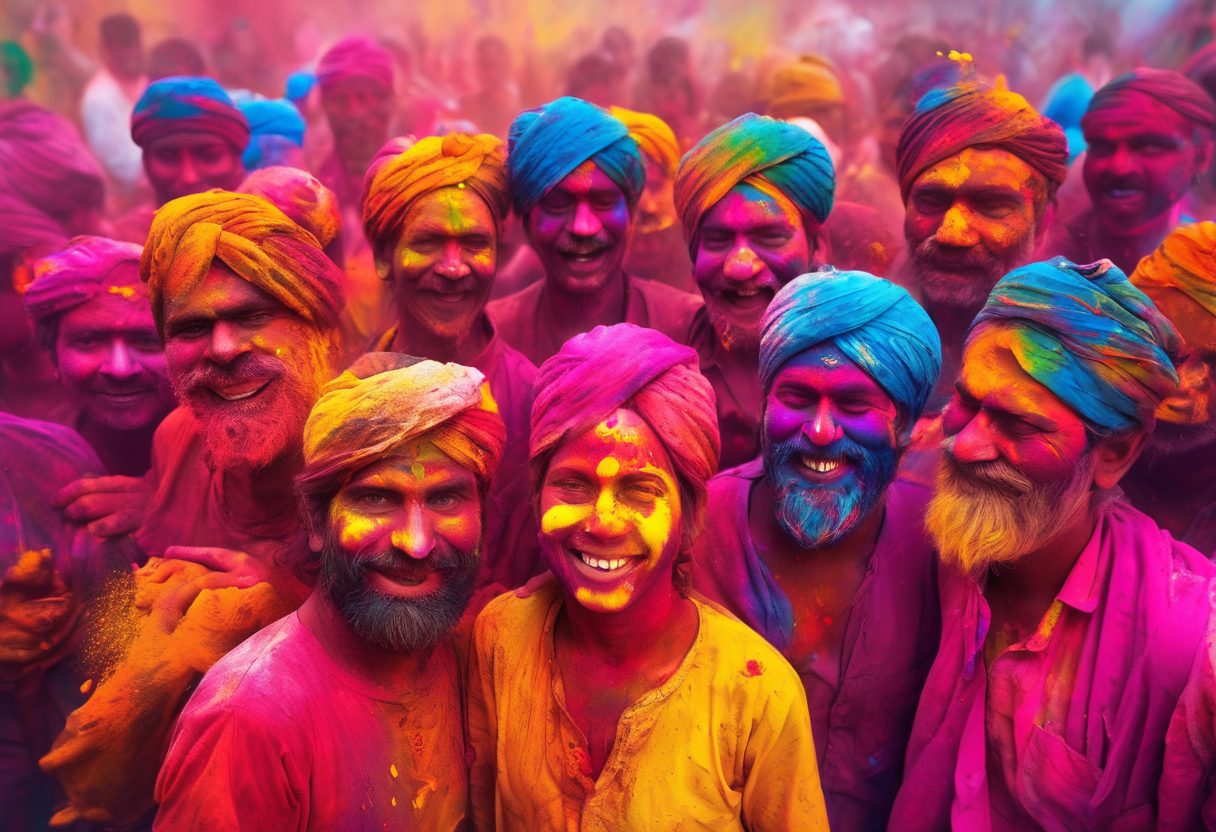
Holi, also known as the festival of colors, is a vibrant and joyous festival celebrated by Hindus all over the world. It marks the arrival of spring and the triumph of good over evil. The festival usually falls in the month of March and is celebrated with great enthusiasm and fervor. Holi holds a special significance in the Hindu religion and has been celebrated for centuries.
The festival is celebrated by people of all ages and backgrounds, bringing together communities and promoting harmony and unity. It holds immense cultural importance, as it is a time for forgiveness, love, and togetherness. The throwing of colored powders and water on each other is a symbol of breaking down barriers and spreading joy and happiness. Holi also has religious significance, with many mythological stories associated with it. It is believed to be a celebration of the love between Lord Krishna and Radha, and the victory of good over the demon Holika.
Holi is not just a festival, but a cultural phenomenon that has been passed down through generations. It is a time to let go of past grudges, strengthen relationships, and celebrate the diversity and beauty of different cultures. The festival has also gained global recognition, with people from all over the world joining in the festivities and experiencing the colorful and lively Indian culture. The significance and cultural importance of Holi festival transcends beyond religion and ethnicity, making it a truly inclusive and joyous celebration of life.