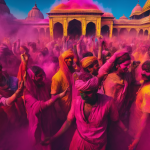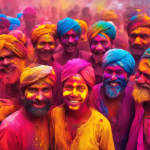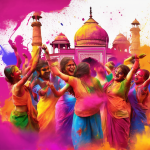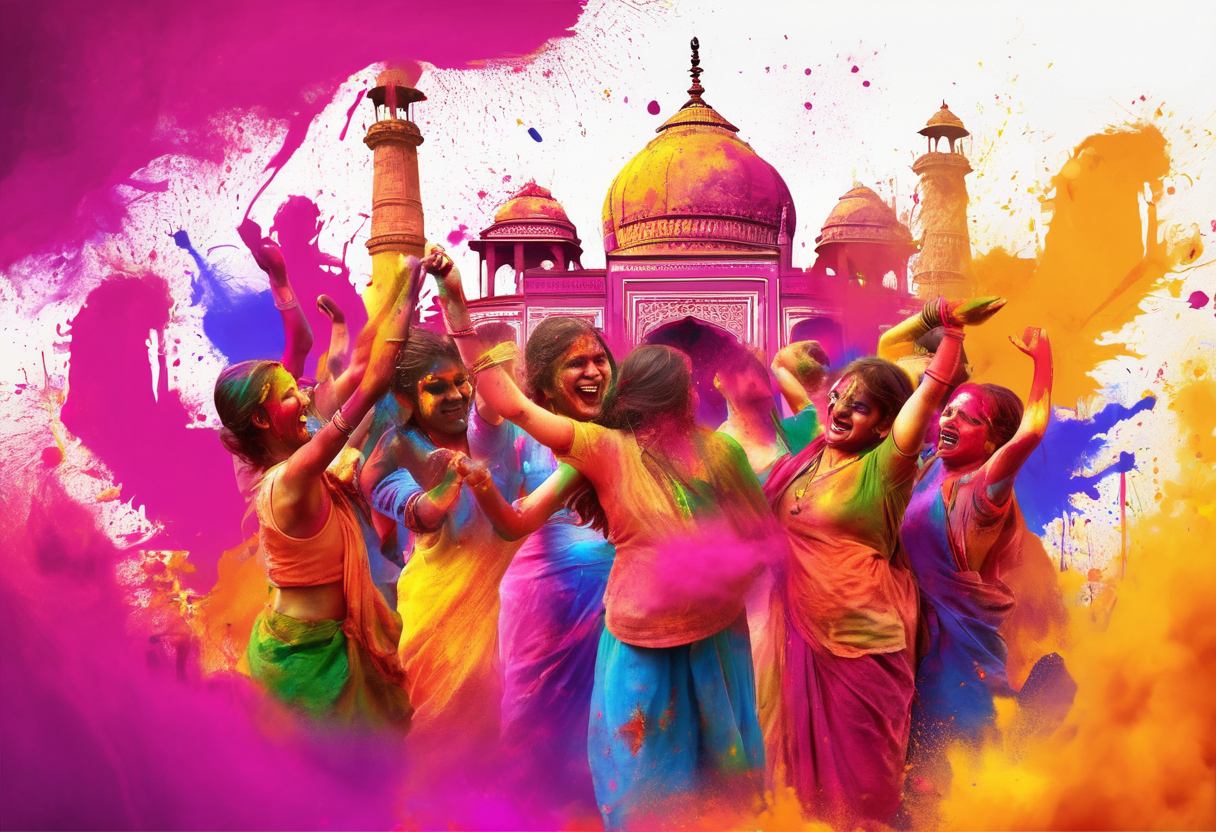
Holi, also known as the festival of colors, is one of the most popular and joyous festivals in India. It is celebrated with great enthusiasm and zeal in different parts of the country, marking the arrival of spring and the victory of good over evil. The festival is also an opportunity to renew friendships and repair old relationships. The origins of Holi can be traced back to Hindu mythology, and different regions in India have their unique customs and traditions to celebrate this vibrant festival.
In North India, the festival is celebrated with a lot of grandeur, with people throwing colored powder and water on each other. The celebrations begin on the day before Holi with a bonfire known as Holika Dahan, which signifies the triumph of good over evil. On the day of Holi, people gather together to play with colors and indulge in delicious sweets and snacks. In South India, Holi takes on a different flavor with folk dances and music being an integral part of the celebrations. In some parts of the country, Holi is also associated with the tradition of breaking pots filled with buttermilk and curd, known as ‘Dahi Handi’.
The festival of Holi is not just limited to Hindus, it is also celebrated by other communities, showcasing the spirit of unity and brotherhood in India. In the northeastern state of Assam, Holi is celebrated as a three-day festival known as ‘Doul Utsav’, where people play with colors and dance to traditional Bihu songs. In the state of Punjab, Holi is known as ‘Hola Mohalla’ and is celebrated by the Sikh community with great fervor and enthusiasm. The celebrations include martial art displays, music, and joyful processions.
No matter where you are in India, the festival of Holi brings people together and spreads joy and happiness. So, if you happen to visit India during this time, make sure to experience the vibrant and colorful celebration of Holi in different parts of the country. It is a true representation of the diversity and unity in India, making it a must-attend festival for all.